From Lonely Failures to Fitness Breakthroughs: Why Social Workouts Leave Solo Routines in the Dust
The alarm blares at 5:30 AM. With heavy eyelids and even heavier limbs, you contemplate the cold, empty basement where your treadmill waits. There’s no one expecting you. No one will notice if you hit snooze. Again. For the third time this week.
This silent negotiation happens in millions of bedrooms every morning across America. The Centers for Disease Control reports that while 80% of Americans don’t get enough exercise, an even more telling statistic lurks beneath: of those who start fitness programs, 50% drop out within six months when going it alone. The solitary fitness journey is failing us spectacularly.
Meanwhile, across town, Melissa is already lacing up her shoes, knowing her running group is waiting. The thought of letting down her Wednesday morning crew is enough to propel her out the door despite the rain. She’s maintained her routine for over two years now, shedding 35 pounds and completing her first half-marathon in the process.
The difference? Human connection.
The fitness industry has spent decades selling us the myth of the lone warrior—the solitary gym-goer grinding in silence, the solo runner pushing through pain with nothing but willpower and a killer playlist. It’s a compelling image that feeds our individualistic ideals. It’s also setting most people up for disappointment and abandonment of their health goals.
As social creatures, we’ve engineered our own failure by removing the very element that could ensure our success: community. The transformation from isolation to connection represents the single most powerful shift you can make in your fitness journey—one that leading exercise psychologists now recognize as the missing ingredient in sustainable physical activity.
The Solo Fitness Trap: Where Motivation Goes to Die
You’ve been there. The initial enthusiasm of a new fitness routine eventually collides with reality: plateauing results, waning motivation, and the endless internal debate about whether to continue. The American Psychological Association has extensively documented the “motivation cliff”—that predictable drop in commitment that occurs within weeks of starting any new health behavior when attempting it alone.
Dr. James Prochaska, creator of the Transtheoretical Model of Behavior Change, explains: “Sustainable behavior change requires social reinforcement. Without it, most individuals remain stuck in contemplation or preparation phases, repeatedly attempting and abandoning fitness routines.”
Solo workouts create a perfect storm of psychological barriers: when progress stalls, there’s no external feedback loop to course-correct. When motivation wanes, there’s no social accountability to bridge the gap. When form deteriorates, there’s no one to provide immediate correction. And perhaps most critically, when results take time (as they always do), there’s no celebration of incremental wins except your own voice—typically drowned out by self-criticism.
This isolation particularly affects those who need fitness most. A 2023 study published in the Journal of Health Psychology found that individuals with obesity were 64% more likely to maintain exercise routines when participating in group settings versus solo efforts. The researchers concluded that “social support effectively neutralizes the shame and self-consciousness that often derails weight loss efforts.”
The Social Fitness Revolution: 7 Ways Community Transforms Results
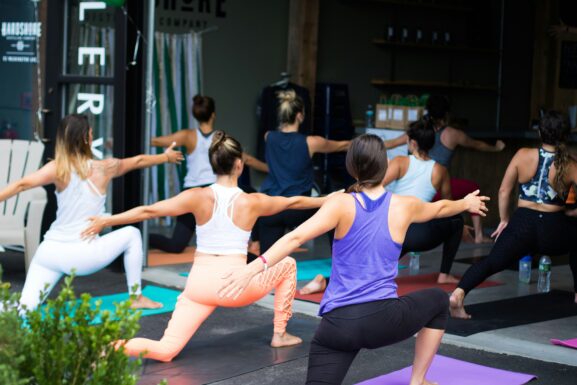
The contrast between solo struggles and community success isn’t just anecdotal—it’s backed by decades of research across exercise science, behavioral psychology, and neurobiology. Here are seven evidence-based ways social fitness crushes solo workouts for both motivation and measurable outcomes:
1. The Accountability Effect: When Showing Up Becomes Non-Negotiable
The American Society of Training and Development discovered that individuals are 65% more likely to complete a goal when they commit to someone else. That number jumps to 95% when they have specific accountability appointments with the person they’ve committed to. This explains why Mark Sullivan, a 42-year-old marketing executive who had abandoned countless solo fitness attempts, hasn’t missed a Monday night basketball league in three years.
“It’s simple,” he explains. “The guys text me all day Monday. Not showing up means letting down nine other people and potentially losing our league standing. My old gym commitment? The only person I disappointed was myself, and I got pretty good at making excuses to me.”
The neurochemical basis for this motivation is well-established. Social accountability activates the prefrontal cortex—the decision-making part of your brain—enhancing executive function and self-regulation. In practical terms, the mental gymnastics required to justify skipping a workout become significantly more challenging when other people are expecting you.
2. The Effort Multiplier: How Competition Unlocks Hidden Potential
A groundbreaking study from Kansas State University revealed something fitness professionals have observed for years: people exercise harder when working out with someone they perceive to be slightly more fit. Researchers found participants increased their workout time and intensity by 200% when exercising alongside someone slightly better than themselves.
This “Köhler Effect”—the psychological phenomenon where people work harder as part of a group than when alone—explains why Tracy Mendez, a self-described “exercise minimalist,” found herself sprinting at full capacity during her first Orange Theory class.
“I’ve always done just enough to not feel guilty on my solo runs—maybe a 10-minute mile pace,” she recalls. “But seeing the performance metrics on the board and running alongside others pushed me to a 7:30 pace. I didn’t even know I was capable of that. Three months later, what used to be my maximum effort now feels like my warm-up.”
Sports psychologists attribute this to unconscious mirroring behaviors combined with the natural human desire to maintain social standing. Simply put, your perception of acceptable effort automatically adjusts upward in group settings, often without conscious awareness.
3. The Consistency Compound: Building Unstoppable Momentum
Nielsen Health Analytics tracked exercise adherence across 25,000 fitness app users and found that those who participated in virtual or in-person group activities maintained their routines 78% longer than solo exercisers over a 12-month period. This consistency effect compounds dramatically over time.
Consider the experience of James Chen, who attempted strength training independently for years with minimal results: “I’d go hard for three weeks, then get busy with work and take two weeks off. That cycle repeated for literally five years. Since joining my CrossFit gym, I haven’t missed more than three consecutive days in two years. The progress difference is night and day.”
This consistency advantage creates what exercise physiologists call “momentum training”—the compounding effect of uninterrupted progressive overload. A study in the International Journal of Exercise Science demonstrated that even when controlling for total workout volume, subjects who maintained consistent training schedules (3-4 days weekly without interruption) gained 40% more strength over six months compared to those who completed the same number of workouts but with irregular timing.
4. The Neurochemical Cocktail: Social Exercise Activates Additional Reward Pathways
Solo exercise certainly triggers endorphins—the body’s natural mood elevators. However, social exercise activates additional neurobiological reward systems that solo workouts simply cannot access.
Dr. Natalie Phillips, neurobiologist at Stanford University, explains: “Group exercise creates a neurochemical cocktail that includes not just endorphins but also serotonin, dopamine, and oxytocin—often called the ‘bonding hormone.’ This combination creates a more powerful and sustainable positive association with exercise than endorphins alone.”
This explains why Emily Torres, who battled exercise avoidance for decades, found herself actually looking forward to her dance fitness classes: “I’ve forced myself through lonely elliptical sessions for years, gritting my teeth through every minute. But I literally count down to my dance class now. The difference in how I feel during and after is impossible to explain until you experience it.”
Research published in Biology of Sport confirms this phenomenon, showing that participants in group exercise conditions consistently rate their enjoyment levels significantly higher than matched solo participants, even when performing identical workouts. More telling still, their cortisol (stress hormone) measurements show markedly different patterns, with group exercisers experiencing stress reduction effects that last up to 26 hours longer than solo exercisers.
5. The Skill Acquisition Accelerator: Learning Through Social Feedback
The Journal of Sports Sciences published a comprehensive analysis demonstrating that skill acquisition happens 32% faster in group environments compared to solo learning. This accelerated learning curve stems from multiple factors: real-time feedback, observational learning, and varied demonstration models.
Michael Jiang, who spent six months trying to teach himself Olympic weightlifting through YouTube videos, experienced this firsthand: “I made more progress in two weeks of joining a weightlifting class than in half a year on my own. Having immediate feedback on my form prevented me from reinforcing bad patterns, and watching others at different skill levels gave me a visual roadmap of progression I couldn’t get from videos.”
The implications extend beyond proper technique. Group settings expose participants to diverse approaches, problem-solving strategies, and motivational styles. This creates what behavioral scientists call a “learning ecosystem” where each participant benefits from the collective knowledge and experience of the group—an advantage completely absent in solo training.
6. The Identity Reinforcement: Becoming a “Person Who Exercises”
Perhaps the most profound advantage of social fitness lies in its ability to transform identity. According to research in health behavior psychology, the strongest predictor of long-term exercise adherence isn’t willpower or even initial motivation—it’s whether the person comes to view being physically active as part of their core identity.
Dr. Michelle Vernon, health psychologist specializing in exercise adherence, notes: “The transition from ‘exercising’ to ‘being an exerciser’ happens much more rapidly and permanently in community settings. The social reinforcement solidifies this identity shift in ways that solitary efforts rarely achieve.”
Sarah Williams, who struggled with yo-yo fitness routines for years before joining a running club, reflects on this transformation: “Before, I was someone trying to run. Now, I’m a runner. The difference seems subtle, but it’s everything. My running friends see me as an athlete, and eventually, I started seeing myself that way too. Now, missing runs feels out of character rather than a relief.”
This identity reinforcement creates a self-perpetuating cycle. Exercise becomes less about willpower and more about authenticity—simply acting in alignment with how you and others now see you. A longitudinal study tracking exercise adherence found that this identity factor predicted maintenance of physical activity levels with 89% accuracy over a five-year period—far outperforming all other psychological variables.
7. The Resilience Factor: Weathering Inevitable Setbacks
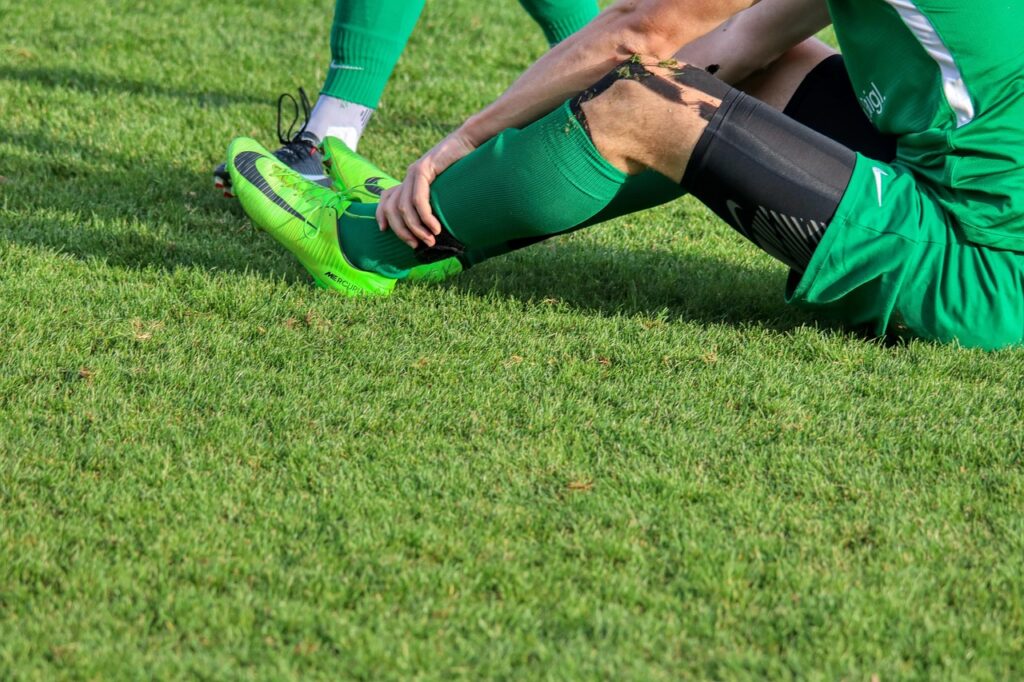
Every fitness journey encounters obstacles—injury, illness, work demands, family emergencies, or plain old motivational slumps. Research published in the Journal of Health Psychology demonstrates that social exercise environments provide significantly greater resilience against these inevitable interruptions.
The study followed participants through a 12-month fitness program and intentionally tracked how they responded to life disruptions. Solo exercisers who experienced a significant interruption (lasting more than two weeks) had only a 15% return rate to regular exercise. In contrast, those in group fitness communities showed a 65% return rate after similar disruptions.
David Langford, who maintained a solo running practice for years before joining a trail running group, experienced this firsthand: “When I sprained my ankle two years ago while running alone, I simply stopped for two months. Last year, with a similar injury in my running group, they kept me engaged—inviting me to post-run coffees, suggesting swimming as cross-training, and constantly checking in. I was back on trails four weeks sooner than my previous recovery, largely because I never really ‘left’ the community.”
Sports psychologists attribute this to multiple factors: emotional support during setbacks, practical advice from others who’ve overcome similar challenges, maintained social connection even during physical absence, and the important element of witnessed commitment—where returning after a setback is socially acknowledged and celebrated.
Beyond Surface Benefits: The Deeper Transformation of Social Fitness
While these seven advantages provide compelling reasons to choose social fitness over solo routines, the most profound benefits often transcend the merely physical. Regular participants in community fitness frequently report unexpected life transformations that extend far beyond their original goals.
For Rebecca Hughes, a 38-year-old teacher who joined a neighborhood fitness boot camp, the surprise wasn’t just losing 45 pounds—it was finding her voice: “I was always the quiet one who avoided drawing attention. Something about struggling alongside others, being vulnerable together, and celebrating each other’s small wins completely transformed my confidence. I’ve since taken on leadership roles at work that I would have avoided before. The physical changes are great, but they’re almost secondary to how I’ve changed as a person.”
This phenomenon is well-documented in positive psychology research. The combination of physical challenge, shared vulnerability, and collective achievement creates a particularly powerful context for personal growth. A comprehensive study from the University of Oxford found that group fitness participants reported improvements in overall life satisfaction at rates 24% higher than solo exercisers, even when controlling for physical fitness improvements.
Making the Transition: From Solo Struggler to Community Success
If you’re convinced that social fitness offers advantages but remain hesitant about making the leap, you’re not alone. The prospect of joining existing fitness communities can trigger anxiety, especially if you’ve been struggling alone for years.
Frank Thompson, now a devoted cycling group member, remembers his reluctance: “I put it off for months. I was convinced I’d be the slowest, the unfittest, the one holding everyone back. When I finally joined, I discovered two things: first, there were plenty of people at my level; second, most fitness communities are far more supportive than competitive. They want new people to succeed—it validates their own choice to be there.”
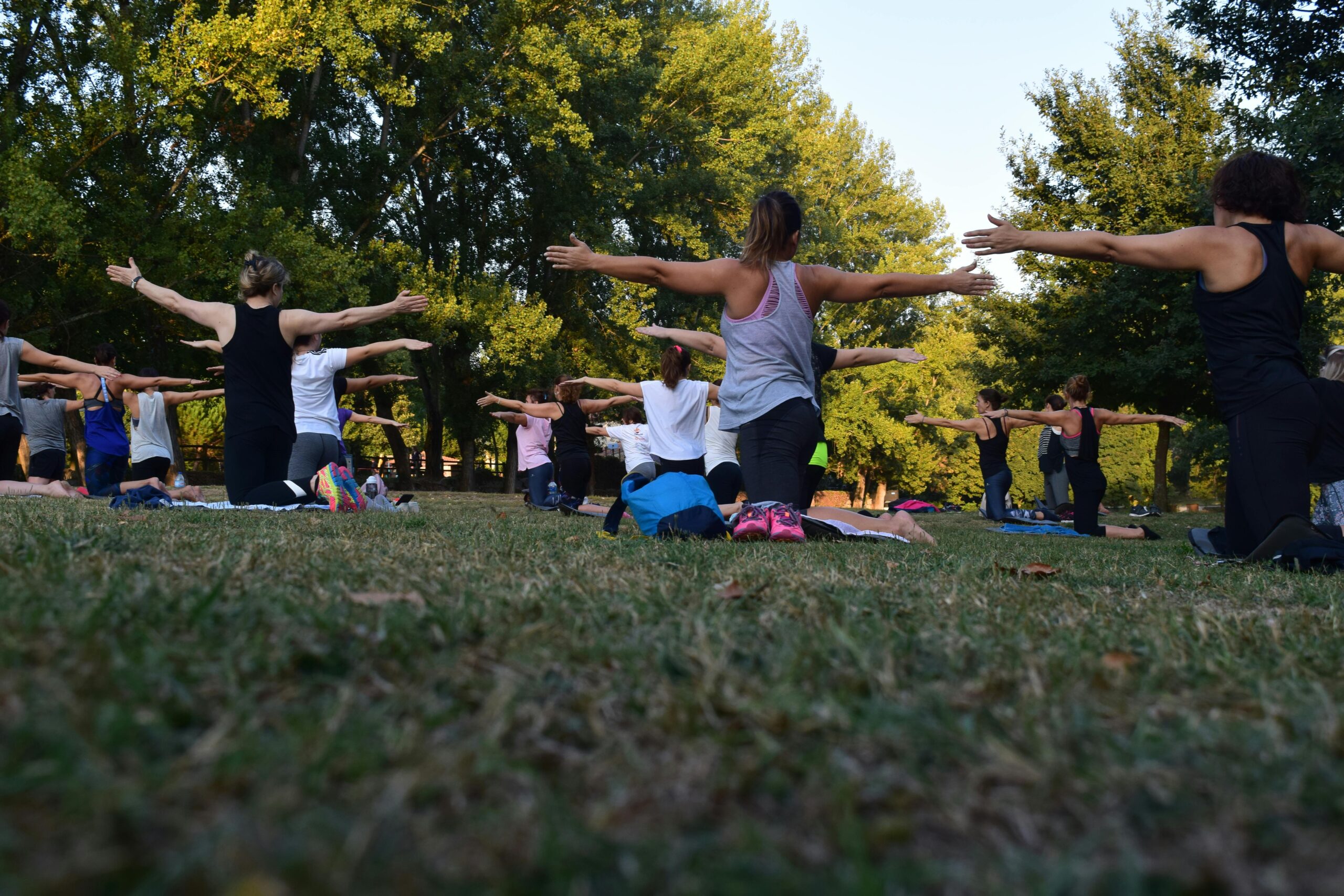
Exercise psychologists recommend a gradual approach to this transition. Rather than immediately abandoning your solo routine, supplement it with one weekly group activity. This maintains your comfort zone while allowing you to experience the benefits of community fitness firsthand.
Finding the right community match is crucial. Traditional gym-based classes work well for some, while others thrive in outdoor adventure groups, sport-specific clubs, or smaller semi-private training environments. The key factor isn’t the specific activity but the presence of three elements: regular meeting times, shared goals, and opportunities for social connection beyond the workout itself.
The Future of Fitness Is Social
The fitness industry is finally catching up to what behavioral science has long known: humans are social creatures whose exercise adherence and outcomes dramatically improve in community settings. Major fitness brands are rapidly shifting toward community-centric models, with even traditionally solo-focused gyms now emphasizing connection through group challenges, team training, and digital communities.
This shift isn’t merely a trend—it’s a correction. The hyperindividualistic approach to fitness that dominated the late 20th century ran counter to fundamental human psychology. The return to community-based physical activity represents not an innovation but a restoration of how humans have stayed physically active throughout most of history: together, with shared purpose.
As Dr. Vernon observes: “The most successful fitness approaches of the future won’t be those with the most advanced equipment or sophisticated programming. They’ll be those that most effectively foster genuine human connection around physical activity.”
If you’ve been fighting the fitness battle alone and struggling to maintain consistency, momentum, or motivation, the research is clear: you don’t need a better workout plan, more discipline, or stronger willpower. You need other people.
The transformation from isolation to connection represents the single most powerful change you can make in your fitness journey—one that addresses not just the physical components of exercise but the psychological and social dimensions that ultimately determine success.
Ready to experience the difference yourself? Socio.fit’s directory of local fitness communities makes finding your fitness tribe simple, with options searchable by activity type, location, and experience level. From running groups to dance fitness, martial arts to outdoor adventure clubs, your future fitness community is just a search away.
The days of struggling alone are over. Your fitness breakthrough is waiting—and it looks like a community.